
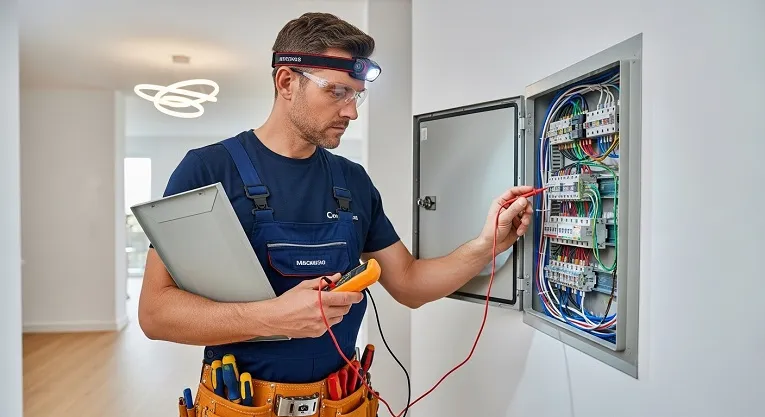
When it comes to electrical safety in your home or business, regular checks are crucial. An Electrical Installation Condition Report, commonly known as an EICR, is a professional evaluation of the fixed wiring and electrical systems within a building. This report highlights any safety concerns, helps prevent electrical hazards, and ensures compliance with national safety regulations.
This article will walk you through everything you need to know about EICRs — from what they involve and who needs them, to why they are so important for maintaining electrical safety.
What Exactly Is an EICR?
An EICR is a detailed examination of your building’s electrical infrastructure. Unlike simple appliance tests, this report looks at the permanent electrical installations such as wiring, switches, sockets, fuse boards, and safety devices. The goal is to identify any faults, damage, or risks that could cause electrical failures or even fires.
Certified electricians carry out these inspections to check that your system is safe and up to standard, providing a formal written report at the end.
Why Is an EICR Necessary?
Electrical systems naturally deteriorate over time due to wear, environmental conditions, or past repairs. Without regular inspections, faults can go unnoticed, leading to dangerous situations like shocks or fires.
Some key reasons to get an EICR include:
- Safety Assurance: Pinpointing and fixing hazards before they cause harm.
- Legal Requirements: Many property owners, especially landlords, are legally obligated to have regular EICRs.
- Insurance Compliance: Insurers may require an up-to-date EICR for coverage validation.
- Maintenance Scheduling: Helps prioritize electrical repairs or upgrades to avoid emergencies.
Who Should Get an EICR?
While all property owners can benefit from an EICR, certain groups must comply by law:
- Landlords: Required to have EICRs on rented properties typically every five years or at tenant changeover.
- Businesses: Commercial properties often need periodic safety inspections.
- Homeowners: Not always legally mandatory, but highly advisable for ongoing safety.
- Buyers and Sellers: Recommended during property transactions to verify safety status.
What Does an EICR Inspection Cover?
A comprehensive EICR includes two main parts:
- Visual Examination: The electrician checks all visible wiring, fittings, and safety components for damage, wear, or unsafe modifications.
- Electrical Testing: Several tests are conducted to ensure circuits and protective devices work correctly. This includes checks for insulation resistance, continuity of protective conductors, earth fault loop impedance, and the function of residual current devices (RCDs).
The Process: How Is an EICR Performed?
Here’s what to expect during an EICR:
- Booking: Schedule an appointment with a qualified electrician registered with recognized bodies like NICEIC or NAPIT.
- Inspection: The electrician examines and tests your electrical installations, noting any defects.
- Reporting: You receive a detailed report highlighting any issues, categorized by their urgency.
- Action: Urgent problems are recommended for immediate repair to maintain safety.
Defect Classifications in EICR Reports
Issues found during the inspection are ranked by severity:
- C1 (Danger Present): Immediate risk, requires urgent repair.
- C2 (Potential Danger): Significant fault needing prompt attention.
- C3 (Improvement Recommended): Minor issues suggested for improvement.
- FI (Further Investigation): Needs more analysis before a decision.
Understanding these categories helps property owners prioritize safety repairs.
How Often Should EICRs Be Done?
Recommended inspection frequencies depend on property type and usage:
| Property Type | Inspection Interval |
|---|---|
| Rental properties | Every 5 years or at the tenancy change |
| Private homes | Every 10 years (recommended) |
| Caravans | Every 3 years |
| Special installations (e.g., pools) | Annually |
Regular inspections ensure your electrical system remains safe and compliant over time.
FAQs About EICRs
Is an EICR the same as a PAT test?
No, EICR focuses on fixed wiring, while PAT tests portable appliances like kettles and laptops.
What if my EICR report shows issues?
You should prioritize fixing C1 and C2 issues immediately to avoid safety risks.
Who can carry out an EICR?
Only qualified electricians with proper certification can issue valid EICRs.
Is an EICR expensive?
Costs vary based on property size but are a worthwhile investment for safety and compliance.
Conclusion
An EICR is a vital part of maintaining electrical safety in any property. It identifies hidden faults, helps you comply with legal requirements, and protects your home or business from electrical hazards. Scheduling regular inspections and acting promptly on recommendations is essential to keeping your environment safe for everyone.




More Stories