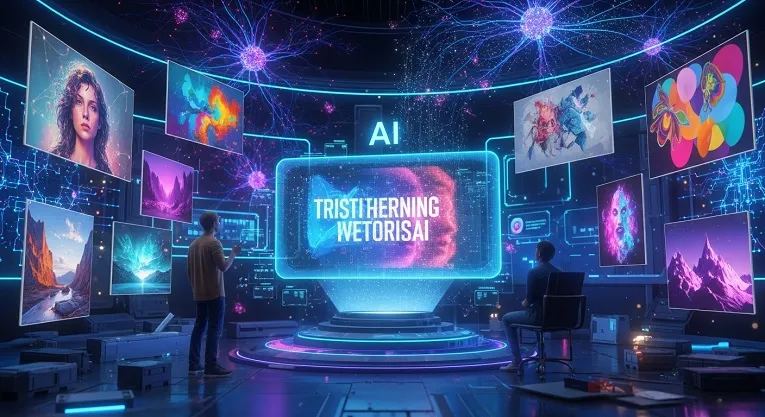
Artificial Intelligence (AI) is reworking infinite industries, and one of its most exciting applications is within the world of art. The rise of the AI artwork generator is redefining what it means to be an artist, opening new opportunities for creativity, expression, and layout. These effective tools allow all people—whether or not professional artists, designers, or beginners—to generate beautiful paintings through the strength of AI. In this article, we are able to discover what AI art generators are, how they paint, their packages, and the future of this groundbreaking era in the world of art.
What is an AI Art Generator?
An AI Art Generator is a software or device that makes use of machine learning models and algorithms to create artwork based on a person’s input. These gears commonly generate artwork based on textual descriptions, current snapshots, or a mixture of both. By processing extensive datasets of visible artwork, AI art mills can produce numerous kinds of artwork—ranging from realistic and photorealistic to summary, surreal, or even particularly stylized portions.
Popular AI art generators include structures like DALL·E 2, DeepArt, Artbreeder, RunwayML, and others. These structures leverage advanced technologies, which include Generative Adversarial Networks (GANs) and neural networks to generate creative photographs and artwork that reflect customers’ ideas or styles.
How Does an AI Art Generator Work?
AI art generators paint via studying big datasets of art, snapshots, and other visible factors to train their underlying models. These datasets include various art styles, color schemes, brush strategies, and visual patterns. Using these records, AI learns to understand how specific visible factors are connected to inventive ideas, which include subject matters, moods, and compositions.
Here’s a simple breakdown of how the technique generally works
Input: The consumer offers an outline or uploads a photo to the AI art generator. For example, a user might enter “a colourful sundown over a relaxed ocean” or upload a tough sketch to refine.
Processing: The AI analyzes the input and breaks it down into additives it is familiar with—whether or not it’s spotting objects, patterns, lighting, or creative styles. This step frequently involves the model comparing the input with its database of preceding artwork pieces to decide a way to create something that aligns with the person’s request.
Image Generation: Based on the information of the input, the AI generates an artwork, combining visual factors uniquely and innovatively. This process can involve everything from developing a photorealistic image to generating abstract interpretations, relying on the person’s commands.
Refinement: Some structures allow users to refine their pictures by adjusting particular info, including fashion, colour, or texture. Additionally, comment mechanisms, along with consumer ratings or similar changes, might also help the AI enhance its generated artwork.
Key Features of AI Art Generators
Text-to-Art Generation: One of the most progressive features of AI artwork generators is the potential to create visual artwork from text inputs. Users can enter easy or complicated descriptions, and the AI will translate them into precise works of art. This opens up a wholly new shape of creativity, in which everybody can create art without requiring formal artistic talents.
Style Customization: Many AI art generators allow users to specify the inventive fashion they need the final piece to emulate. For instance, customers can ask the AI to create an artwork in the style of famous artists like Van Gogh, Picasso, or more contemporary styles. AI artwork generators are capable of mixing numerous artistic patterns to create something completely new.
Realism vs. Abstraction: Depending on the activity, AI can generate both photorealistic pictures and abstract artwork. Whether you want something that looks like a picture or an avant-garde portrayal, AI art generators can cater to various tastes and artistic visions.
Image Modification: Some AI artwork structures also permit users to regulate current pix by using making use of one of a kind artistic filters, changing patterns, or improving precise factors. For example, users can take an image and remodel it into a painting or upload surreal elements to a picture, giving the paintings a unique twist.
Collaboration and Iteration: AI art generators can also serve as a collaborative tool for artists. Users can test with exceptional variations, acquire feedback, and iterate on designs rapidly. This short iteration cycle allows for immediate exploration of recent ideas and creative opportunities.
Applications of AI Art Generators
AI artwork turbines are being used in many regions of art, design, and leisure. Here are some key packages of this generation.
Digital Art and Illustration: Many artists and illustrators use AI artwork mills to speed up the innovative process, discover suggestions, and discover new patterns. AI can act as an innovative assistant, assisting artists in refining their ideas or generating preliminary drafts in their work.
Graphic Design and Branding: AI artwork turbines are also making their mark in the layout enterprise. Graphic designers can fast create emblems, advertising materials, and website visuals using AI-generated art. This facilitates organizations to produce custom designs without having to rely on conventional design procedures.
Entertainment and Gaming: In the arena of video games, movies, and virtual worlds, AI artwork mills are used for concept art, character design, and global-building. These tools allow designers to visualise scenes, characters, and environments at a far faster tempo, saving both time and money.
Personalized Gifts and Products: AI art generators can be used to create personalized gifts, including custom snapshots or paintings primarily based on a person’s choices. From custom t-shirts to precise domestic decor, AI-generated art gives a low-cost and creative solution for personalizing products.
Social Media and Content Creation: AI art is becoming famous on social media platforms such as Instagram, Pinterest, and TikTok. Content creators and influencers can use AI-generated art to beautify their posts, growing visually enticing content to share with their fans.
Art Collecting and NFTs: AI-generated artwork has even made its way into the arena of Non-Fungible Tokens (NFTs). Artists are growing precise, AI-generated virtual artworks which can be offered as NFTs, adding a brand new dimension to the art marketplace and presenting a new way for creditors to put money into virtual art.
Benefits of AI Art Generators
Accessibility for Non-Artists: AI artwork mills make it feasible for each person, no matter their artistic ability level, to create extremely good artwork. Whether you’re an amateur, a marketer, or a commercial enterprise proprietor, these tools provide a simple way to provide custom artwork with minimal effort and Speed. Traditional art introduction can take time, especially when exploring multiple ideas. AI art mills permit users to create and iterate on new thoughts quickly, speeding up the layout process and bearing in mind extra experimentation.
Cost-Effective: Hiring expert artists or graphic designers may be expensive. AI art generators provide an extra, lower-priced option for producing custom artwork. For groups, this could be particularly useful while growing advertising and marketing materials, ads, or social media posts.
Endless Creativity: AI art mills open up infinite innovative possibilities. The combination of AI’s computational strength and the capacity to blend styles, issues, and elements results in particular and unexpected inventive results that can in no way have been conceived by human beings.
Inspiration and Exploration: AI-generated art can function as a supply of concepts for artists and creators. By experimenting with exclusive prompts and styles, users can discover new ideas, subject matters, and directions for their work that they might not have considered in any other case.
Ethical Considerations and Challenges
While AI artwork generators provide many benefits, they also raise crucial moral questions and demanding situations.
Authorship and Copyright: Who owns the rights to an artwork created by means of AI? Is it the individual that furnished the enter, the AI platform, or the builders in the back of the era? This question of highbrow belongings continues to be debated, in particular with the upward thrust of AI-generated artwork being bought as NFTs.
Bias and Representation: AI structures are most effective as appropriate because of the records they are trained on. If the education facts are biased or lack diversity, the generated art can also mirror those biases. IAI art builders must ensure their models are trained on various datasets to avoid reinforcing dangerous stereotypes.
Job Displacement: With AI taking over sure creative methods, there’s a situation that it could displace human artists, designers, and illustrators. However, many specialists argue that AI has to be seen as a tool that complements human creativity, rather than replacing it totally.
Quality Control: While AI can generate marvelous artwork, the quality of the results can also vary. Sometimes, the generated artwork won’t meet the user’s expectations, requiring more than one iteration or in addition changes to get the favored output.
The Future of AI Art Generators
As AI generation continues to adapt, the capacity of AI art turbines is limitless. Future AI models will probably offer even greater control, allowing artists and users to create increasingly complex and excellent artwork. AI may also turn out to be extra integrated with different technologies, along with augmented reality (AR) and virtual reality (VR), permitting new forms of immersive art studies.
Furthermore, AI artwork can also continue to make a bigger impact in fields like style, architecture, and advertising, wherein visual creativity is noticeably valued. The mixing of human and system creativity will likely lead to groundbreaking improvements in artwork and design.
Conclusion
AI artwork turbines are establishing a world of opportunities for artists, designers, and creators, democratizing access to artistic tools and allowing the speedy advent of unique, first rate art work. With the capability to transform text descriptions into lovely visuals, personalize patterns, and test with endless innovative alternatives, this equipment is empowering individuals and groups alike. While there are challenges to consider, which include moral worries about possession and bias, the ability of AI inside the art world is significant. As the generation keeps to enhance, AI art generators will play an increasing number of critical roles in shaping the destiny of creativity and inventive expression.

More Stories
FasTrac OnTrac: Transform Your Logistics with Ease and Speed
How to Create Your Own Read Aloud Text-to-Speech