
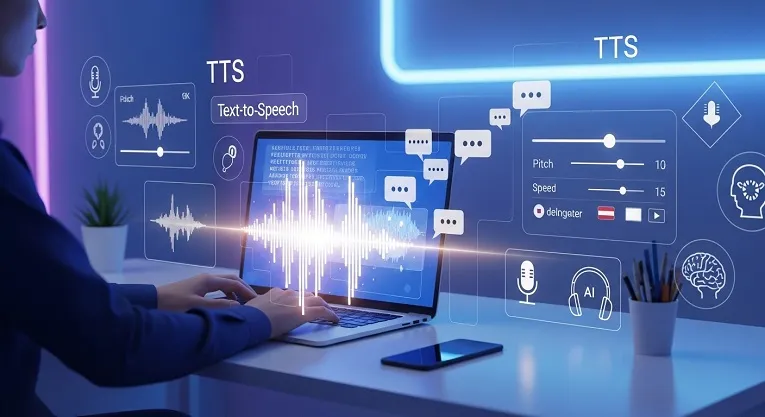
In the virtual international, Read Aloud Text to Speech (TTS) generation has revolutionized how we devour written content. Whether you are looking to enhance productivity, improve accessibility, or definitely pay attention to documents at the same time as multitasking, TTS is a crucial tool. But what if you need to create your very own Read Aloud Text to Speech machine? In this text, we’ll guide you through the process of making a customized TTS experience, offering you the equipment and knowledge to generate your own Read Aloud textual content.
What is Text to Speech (TTS)?
Text-to-Speech (TTS) technology converts written textual content into spoken phrases. It’s used in several gadgets and packages, from analyzing articles and books aloud to supplying voice guidance in navigation apps. While many TTS gear are geared up to apply out-of-the-box, customizing your very own TTS gadget can provide a more customized experience that matches your desires and choices.
Why Create Your Own Read Aloud Text-to-Speech?
There are several motives why you might want to create your very own Read Aloud Text to Speech machine.
Customization: You can choose the voices, accents, speech tone, and even pitch to match your choices or the desires of your target market.
Language Support: If you are running with specific languages or dialects, growing a TTS system allows you to use a voice that works excellently for your content.
Specific Use Case: Sometimes, you would possibly need TTS for a specialized assignment, consisting of analyzing academic fabric, assisting students, or producing voiceovers for initiatives.
Accessibility: Custom TTS allows you to create a more accessible and green environment for those who have unique speech or analysis possibilities.
Learning Opportunity: Building a custom TTS device can also assist you learn about speech synthesis, device getting to know, and natural language processing (NLP).
Steps to Create Your Own Read Aloud Text-to-Speech
If you’re prepared to build your very own TTS system, here are the fundamental steps to get started.
Select a TTS Platform or API
There are several gearss and platforms that assist you in creating your personal TTS. These platforms offer pre-constructed voices, and some even assist you in training your own fashions. A few popular systems include.
Google Cloud Text-to-Speech: Offers advanced TTS generation with a huge range of voices and languages. You also can use Google’s WaveNet technology for natural-sounding speech.
Amazon Polly: A cloud-based TTS service with the aid of Amazon Web Services (AWS) that provides several voices and languages. It allows you to create custom speech that can be integrated into apps and websites.
Microsoft Azure Speech Service: This provider provides customizable voices with first-rate speech quality. It lets you build TTS systems tailor-made for your desires.
Festival Speech Synthesis System: An open-source TTS engine that you may use to create your very own voice models or experiment with extraordinary configurations.
ResponsiveVoice: A net-based TTS device that offers voice integration for websites and applications. It’s easy to put into effect and has help for diverse languages.
Choose Your Voice and Language
Once you’ve selected a platform, the next step is choosing a voice and language. Most TTS structures offer qeveral voices to create your read-aloud text-to-speech, consisting of male, female, and neutral options. You can also pick out one-of-a-kind accents or regional versions to make the speech more herbal or tailored to a specific audience.
For example, Google Cloud and Amazon Polly provide voices that sound tremendously natural and may be custom-designed for such things as speed, pitch, and tone. Some structures additionally provide neural voices (like Google’s WaveNet or Amazon’s Neural TTS), which use machine learning to generate even more sensible speech.
Adjust Speech Parameters
Most TTS systems can help you regulate parameters like pace, pitch, and extent. These parameters can make a huge distinction in how the speech sounds, so it’s critical to experiment with them to create a first-class experience. For instance.
Speed: You can regulate the velocity of the speech. If you’re listening to content while multitasking, you could need to increase the velocity, while gradual speech is frequently better for language inexperienced persons or detailed content.
Pitch: Higher pitch voices are normally more upbeat and tasteful, while lower pitch voices are more extreme and neutral. Adjust this in step with your content’s tone.
Volume: Ensure the speech is loud sufficient to be heard genuinely, but no longer too loud that it’s distracting.
Integrate Custom Text-to-Speech into Your Application
After putting in your voice and parameters, you can combine TTS into your website, app, or tool. Most TTS systems offer APIs or SDKs that assist you in integrating voice capability into your tasks. For example.
Websites: You can combine TTS capability into an internet site the use of JavaScript or a TTS plugin. Many TTS engines,r like ResponsiveVoice, can provide simple integration for websites.
Mobile Apps: You can combine TTS into Android or iOS apps through the use of platform-specific libraries, such as Android’s TextToSpeech class or Apple’s Speech Framework.
Desktop Software: If you’re developing a computer software program, there are libraries for C++, Python, and Java that offer access to TTS offerings.
Create or Train Custom Voices (Optional)
If you want a totally precise voice or need a particular accessory or tone, a few advanced platforms permit you to create or educate your very own custom voices. Training a custom voice often includes supplying audio samples, teaching the system to imitate particular speech styles, or educating the model to understand certain speech nuances. This is a more complex manner and may require an understanding of machine learning and speech synthesis.
Google Cloud’s Text-to-Speech API and Amazon Polly, as an instance, will let you create a custom voice by importing recordings, but you would possibly want to pay more for this provider.
Test and Refine Your TTS
Once your TTS system is up and running, it’s crucial to check the output to ensure that the voice sounds natural and is easy to understand. Try studying distinctive kinds of content material, along with articles, emails, and lengthy-form documents, to see how the system performs. You can also want to tweak some settings, like pronunciation or pacing, to enhance the general enjoyment.
Deploy and Use Your Read Aloud Text-to-Speech
Once you’re satisfied with the setup and customization, set up your TTS device on the desired platform or use it for your particular venture. Whether it’s for analyzing articles aloud on a website or developing a more personalized voice assistant, your TTS gadget is now ready to be used.
Conclusion
Creating your very own Read Aloud Text to Speech device is a profitable way to enhance accessibility, productivity, and personalization. Whether you need a simple tool for reading files aloud or a complicated machine for integrating voice into apps and websites, TTS gives endless possibilities. By following the steps outlined above, you could personalize your very own voice without problems, adjust parameters, and combine the device into your virtual environment, developing a unique Read Aloud experience tailored to your wishes.




More Stories
FasTrac OnTrac: Transform Your Logistics with Ease and Speed
AI Art Generator: Unleashing Creativity through Artificial Intelligence